The Audit
It starts with a walk
round the site.
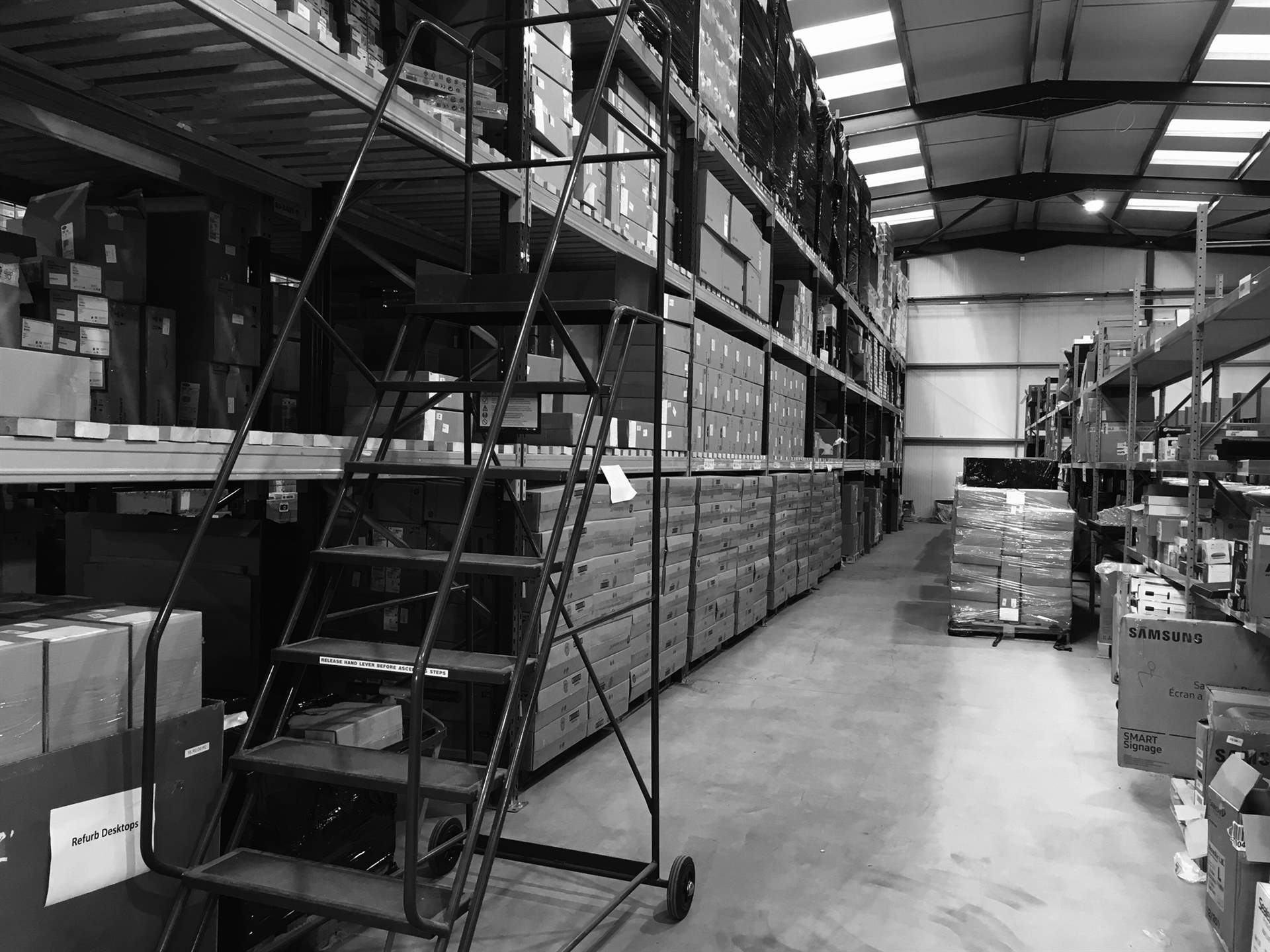
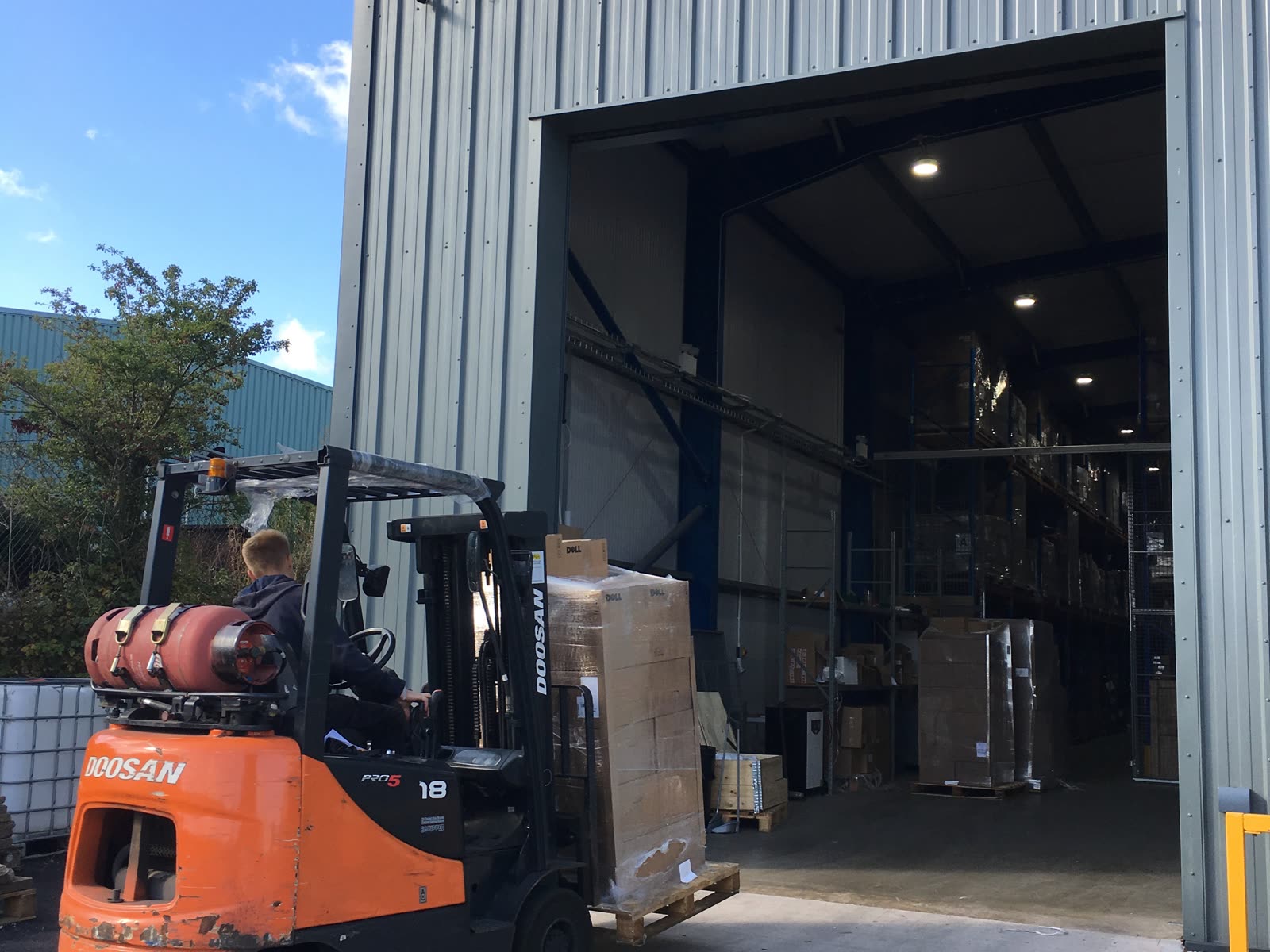
Not a questionnaire and not a desk exercise. We come to the building, open the compounds, look in the containers and go through the invoices and transfer notes for what has actually left over the last twelve months. Almost every audit finds the same three things: streams nobody owns, containers being emptied half empty, and material going out as general waste that somebody would have paid for.
What you get back is a baseline — measured, stream by stream, with the current cost and the current destination against each one — and a costed set of options ranked by where each stream could sit on the hierarchy instead.
Every stream on site
IT & electricals (WEEE)
Data-bearing media
Batteries & UPS
Cabling & metals
Toner & consumables
Packaging, card & film
Pallets & timber
Furniture & fit-out
Hazardous & regulated
Confidential paper
General & residual
Independent
We are not selling you a bin
The audit is not a sales survey with a container quote at the end of it. Where the right answer is fewer collections, a different container size or leaving an existing contract exactly where it is, that is what the report says.
Measured
Weights, not impressions
Stream volumes come off weighbridge tickets, transfer notes and container fill rates rather than an estimate on the day — so the baseline you improve against is one your finance and ESG teams can both stand behind.
Whole site
Beyond the IT store
We are known for IT, and IT is usually where the value and the risk are concentrated. But the audit covers everything the site puts out, because segregating one stream properly is worth very little if it is being contaminated by the one next to it.